In Seinfeld there’s an episode where Kramer tries to “improve community” in the apartment building. He posts everyone’s photos and names in the lobby. Overnight, strangers become familiar. People stop Jerry to talk. They hug him. Some even go in for kisses. Jerry hates it—not because the neighbors are evil, but because now he has to carry their stories, their expectations, their closeness. He wants the old arrangement: polite distance, clean boundaries, no surprise intimacy.
It’s funny because it touches a nerve. Many of us prefer life at arm’s length. And we often prefer faith that way too: God and me, personal and private, clean and contained.
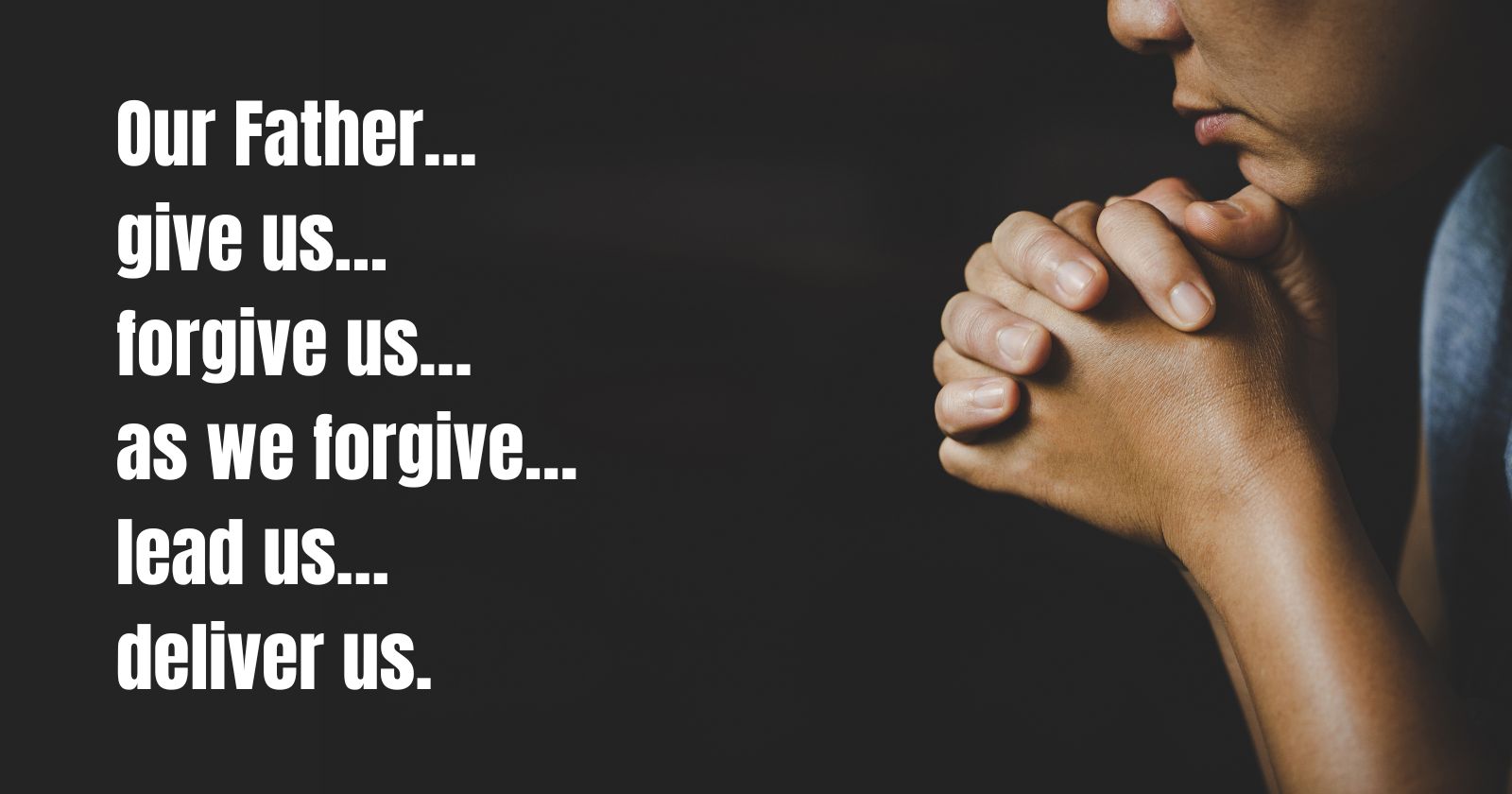
Then Jesus says, “Go into your room and pray in secret.” We hear that and think, finally—my spiritual life without interruptions. But Jesus immediately gives a prayer that refuses isolation: “Our Father… give us… forgive us… lead us… deliver us.” Even in the closet, He makes you speak plural.
And that exposes something: faith, spirituality, even in its most private form, is impossible without including others. The moment you say “Father,” you admit family. The moment you say “our,” you admit siblings. The moment you ask forgiveness, you admit relationship. Private prayer is never private in the way we want it to be, because God is not a private possession. He is Father who gathers.
That is why Matthew 6 stands at the beginning of Great Lent. Right at the start, the Church places in our hands the three disciplines Jesus names: prayer, almsgiving, and fasting. Not to create religious performers, but to heal us from the illusion of “me.”
Almsgiving includes others by definition. It takes what could have remained “mine” and turns it into mercy, into burden-sharing, into love that costs something. Prayer includes others because Jesus teaches us to speak to God with a grammar of communion: give us, forgive us, deliver us. Fasting includes others because discipline creates space. It distances us from the pull of physical and material likes and dislikes, needs and wants, so our life can be re-centered on what matters most: God, repentance, and love.
So as Great Lent begins, let the journey become us, our, we—not me. Pray in secret, but carry names with you: someone you avoid, someone who hurt you, someone who is alone. Give in a way that actually reaches a person, not just an idea. Fast in a way that makes room for compassion: let hunger become a reminder to feed, to forgive, to intercede.